Collect. Annotate. Validate. Build Better AI

ADAS & Autonomous Data Annotation

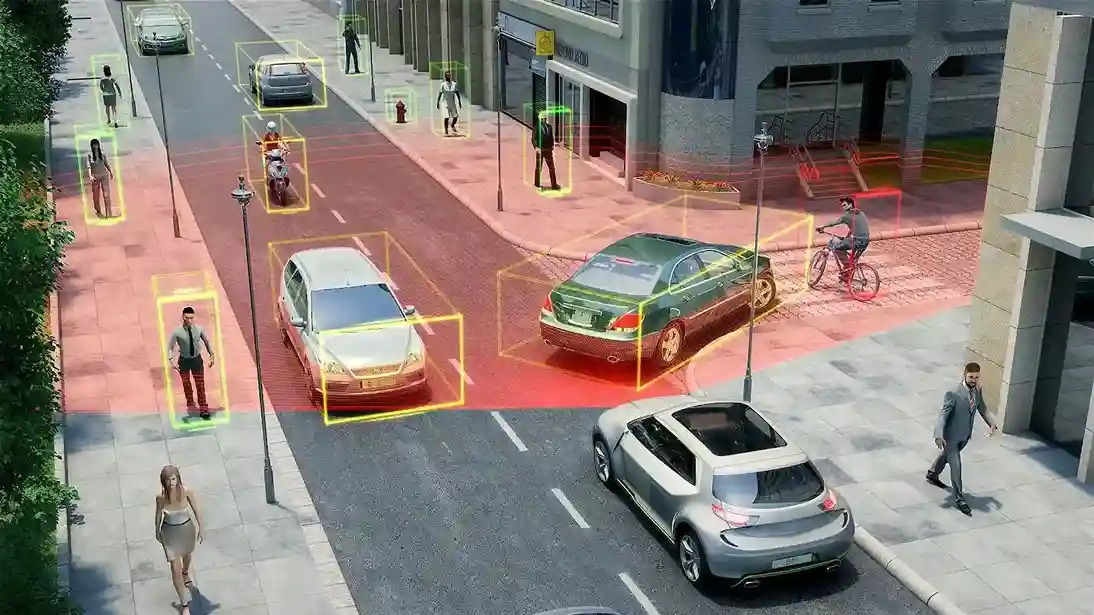
Perception models fail on occlusion, poor weather, and inconsistent labels across frames. We annotate camera, LiDAR, and radar data through a multi-stage QA process, so your model trains on labels it can trust.

  • 13+Years of annotation expertise
  • 20+Industries served
  • 97%+Quality benchmark
  • 24x7x365Secure operations
Introduction

ADAS & Autonomous AI Data Services: Reliable Data Collection, Annotation & QA

The standard we hold
The accuracy of your labels is the accuracy of your AI model, and our process is built around that.
  1. 01The challenge

    Driving data punishes small labeling errors. Objects are partly hidden, distant targets appear as sparse points, and lighting and weather change the same scene from one frame to the next. Evolving model guidelines mean a label that was correct last month may need rework today. A single missed cuboid or misplaced lane spline can propagate through a perception stack.

  2. 02The impact

    Those errors become missed detections, unstable tracking, and costly validation loops.

  3. 03Our approach

    Annotators are trained on your taxonomy and retrained as your guidelines evolve. We work on your own annotation platform when required. Every batch passes internal and external quality checks under ISO 9001:2015, ISO/IEC 27001:2013, and TISAX Level 3 controls.

Capabilities

ADAS & Autonomous Vehicle Annotation Services

  • Object Detection (2D/3D)

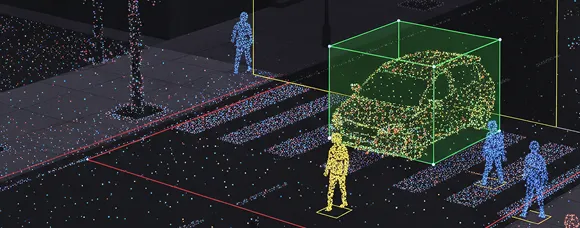
    Our object detection annotation combines 2D bounding box annotation on camera images with 3D data annotation on LiDAR point clouds, covering vehicles, pedestrians, cyclists, and animals. This human-annotated data trains autonomous vehicle AI to find every road user and obstacle.

  • Vehicle Keypoint Annotation

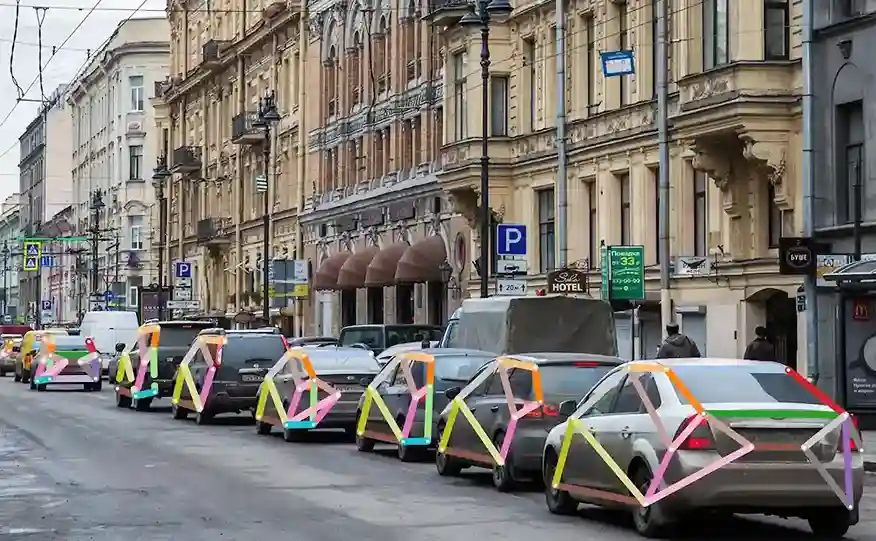
    Our keypoint annotation and landmark annotation place precise points on wheels, lights, mirrors, and body corners. These labels help models estimate vehicle orientation, size, and position, even when a vehicle is partly visible.

  • Drivable Region and Road Boundaries Annotation

    Our semantic segmentation services outline drivable areas and road edges with polygons, including roads with no clear markings. These labels teach path planning models where a vehicle can safely travel.

  • License / Number Plate Annotation

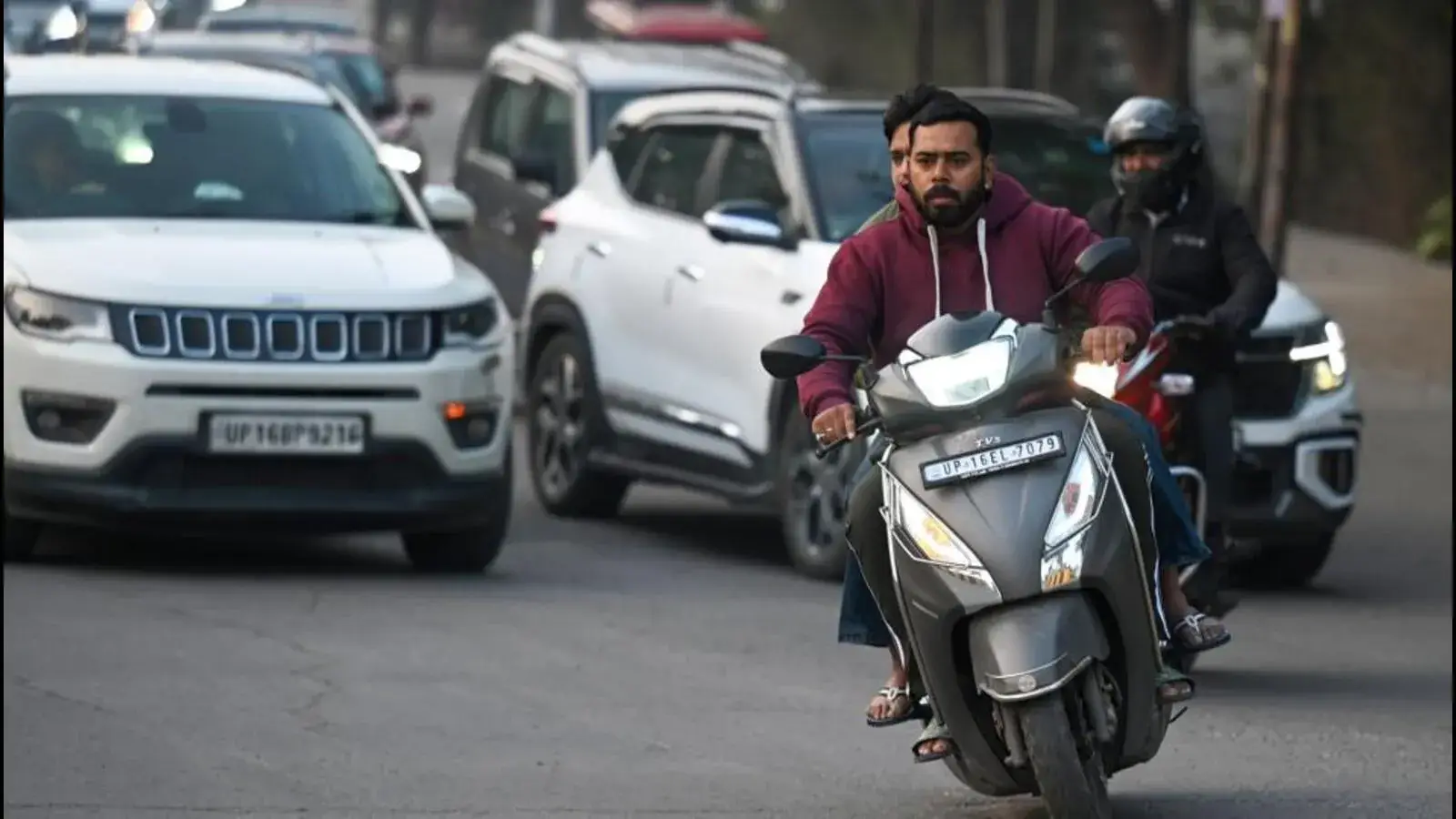
    We use 2D bounding box annotation to mark license plates on moving and parked vehicles, with optional character transcription. This image annotation data trains models to detect and read plates at varied angles and lighting.

  • Vehicle Tracking (Video) Annotation

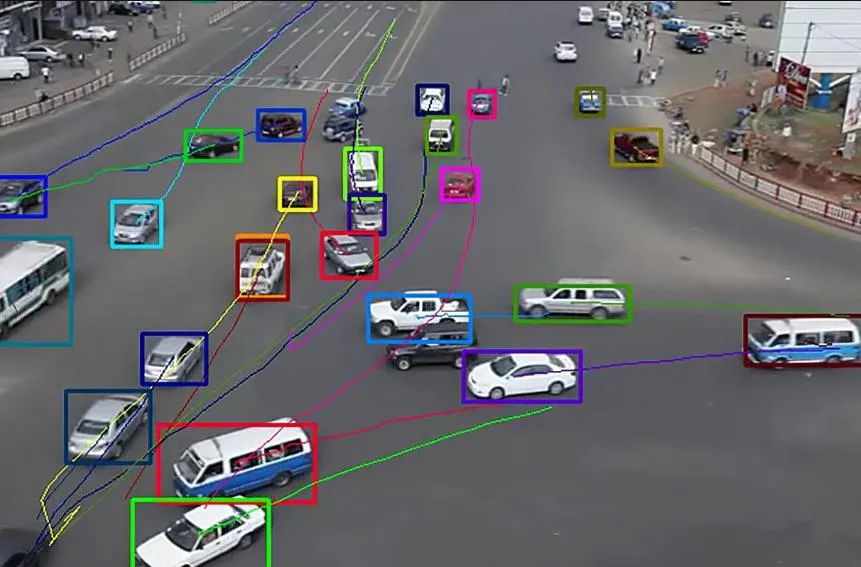
    Our video annotation services follow each vehicle across frames with a persistent ID from entry to exit. This object tracking data trains video analytics computer vision models to predict movement, speed, and intent.

  • Full Scene Labelling

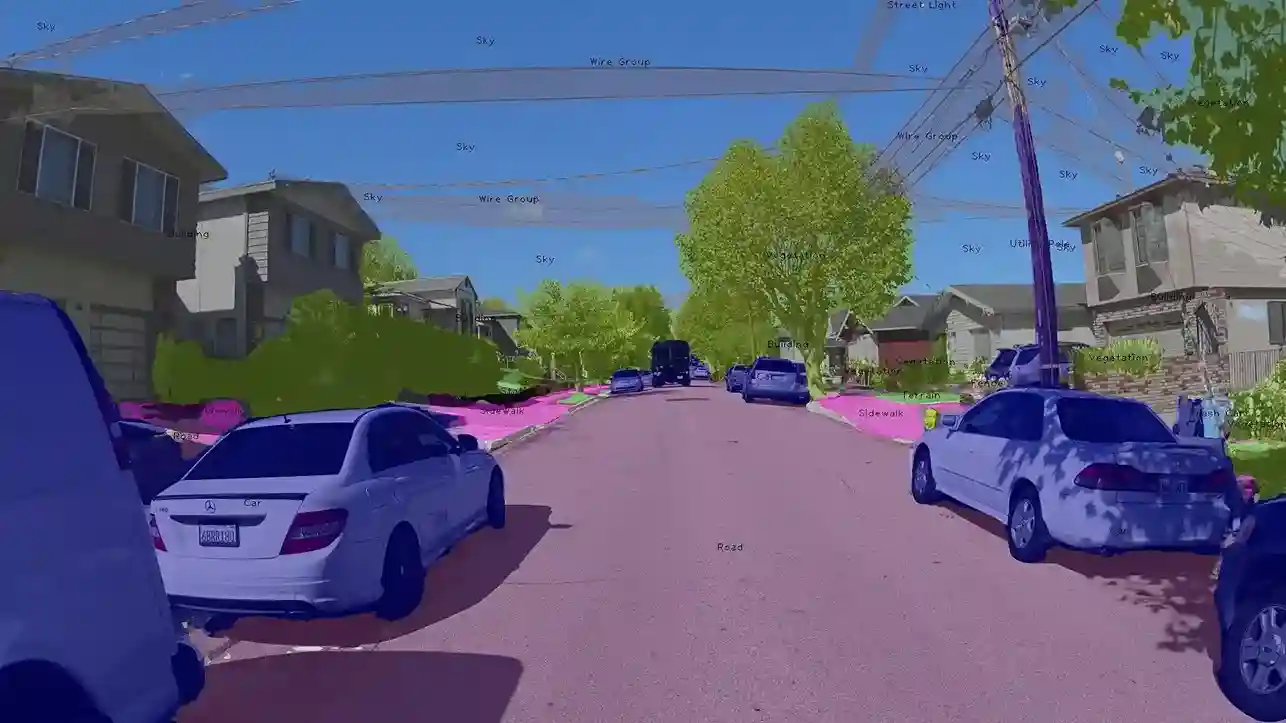
    Our semantic segmentation services assign a class to every pixel, separating road, sidewalk, vehicles, people, buildings, vegetation, and sky. This full scene view gives perception models a complete picture of the driving environment.

  • Sensor Fusion Annotation

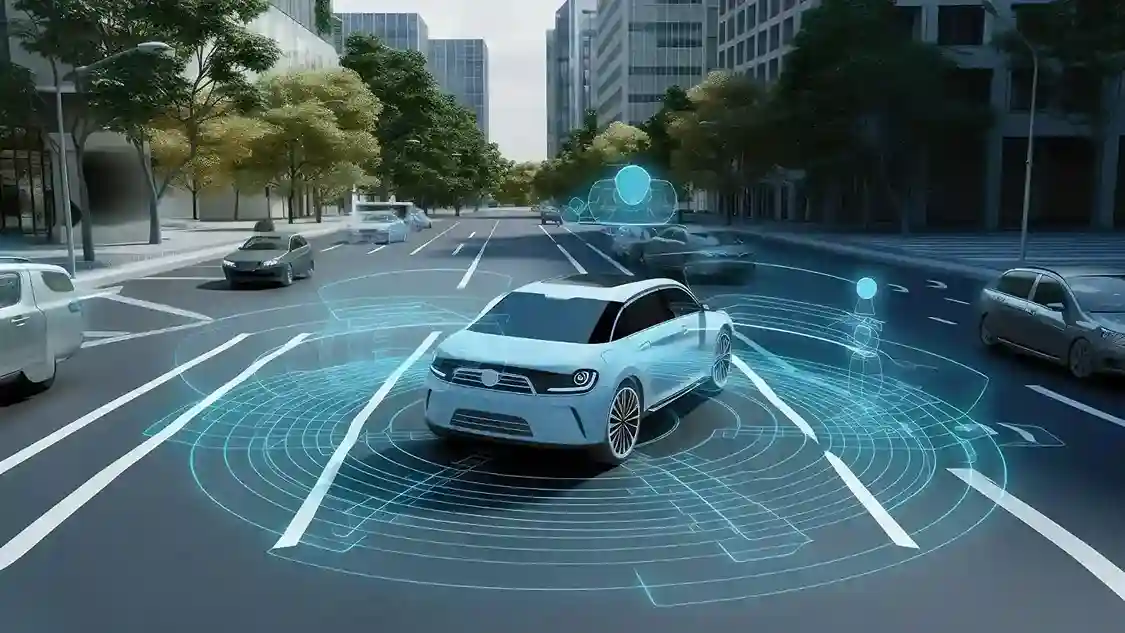
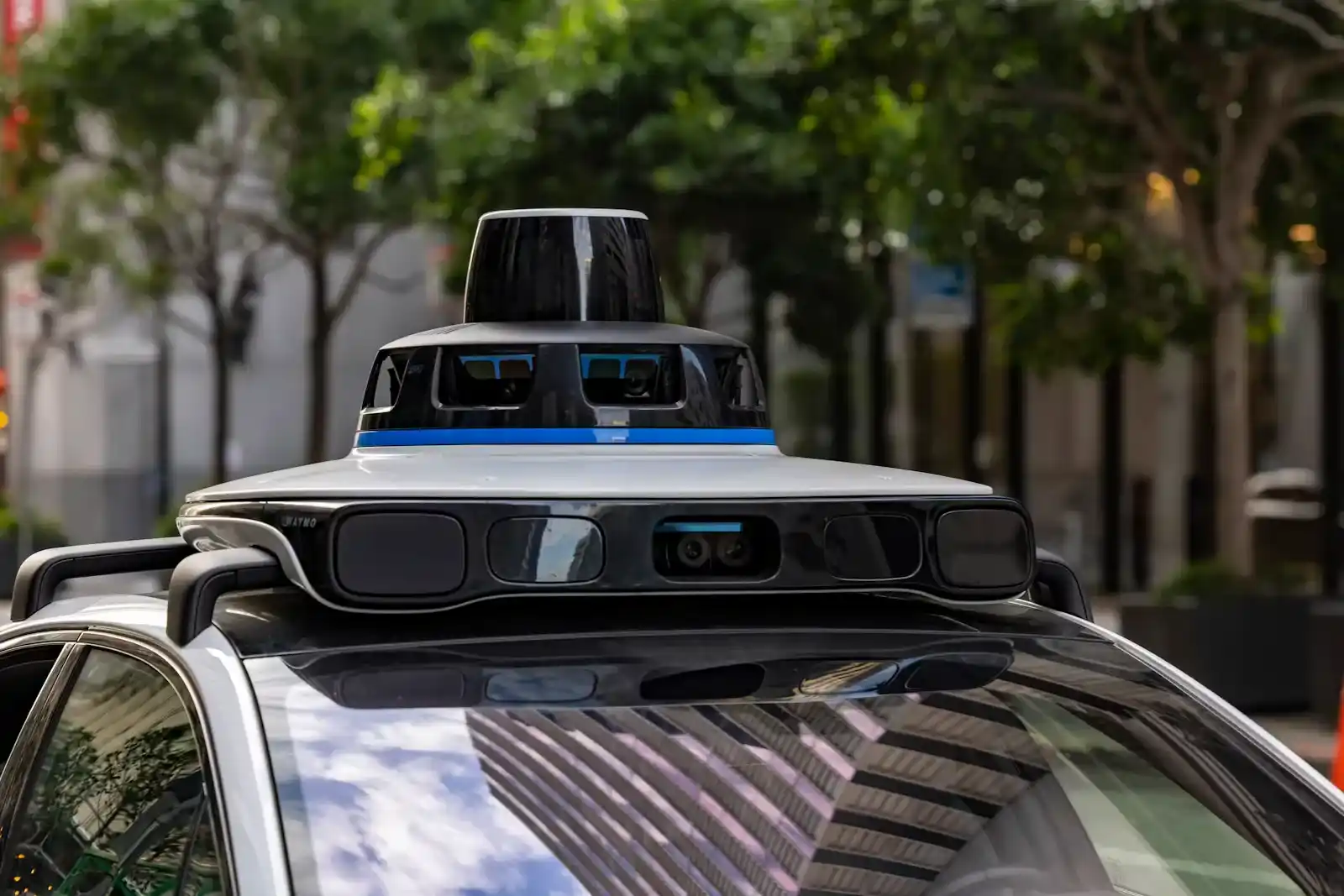
    We label the same object across camera, LiDAR, and radar data so every sensor agrees on what it sees. This annotation for machine learning supports perception models that combine several sensors.

  • House Number Annotation

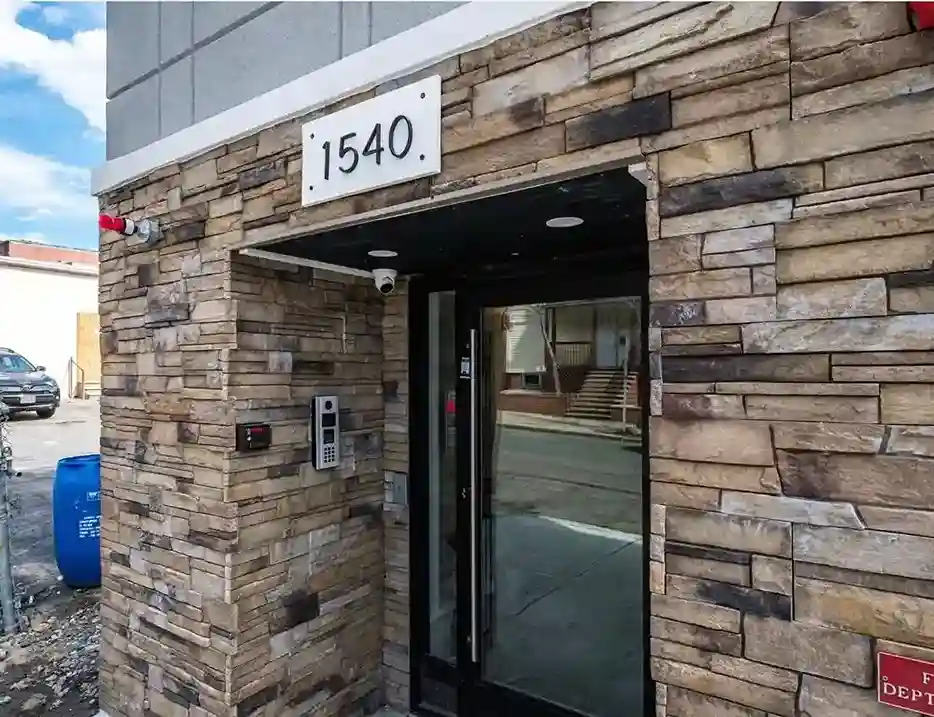
    Our bounding box annotation marks house numbers on buildings, gates, and plates, in varied fonts and angles. These labels train models to read address information for navigation and mapping.

  • Obstacle Detection

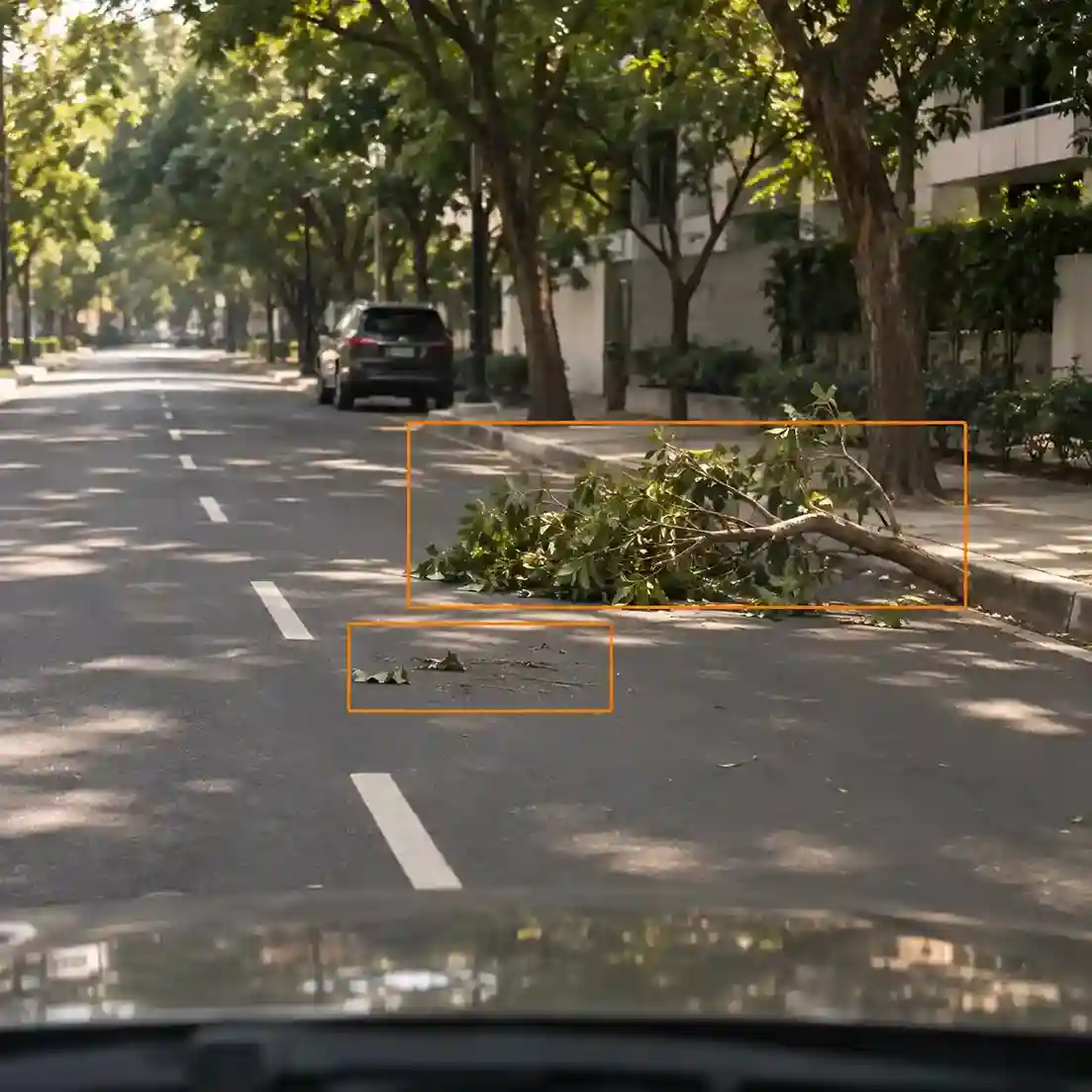
    We label debris, stopped vehicles, animals, and unexpected objects using boxes, cuboids, and segmentation masks in camera and LiDAR data. This object detection annotation reduces blind spots in autonomous driving models.

  • Traffic Sign Annotation

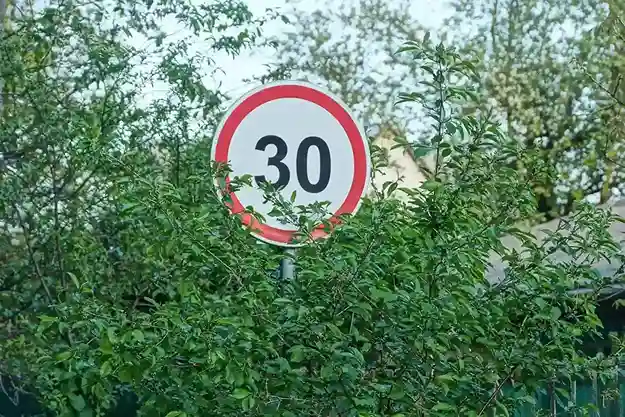
    We draw 2D bounding boxes around regulatory, warning, and information signs and classify each by type, including signs in regional languages. These labels help models read road rules correctly across regions.

  • Traffic Light Annotation

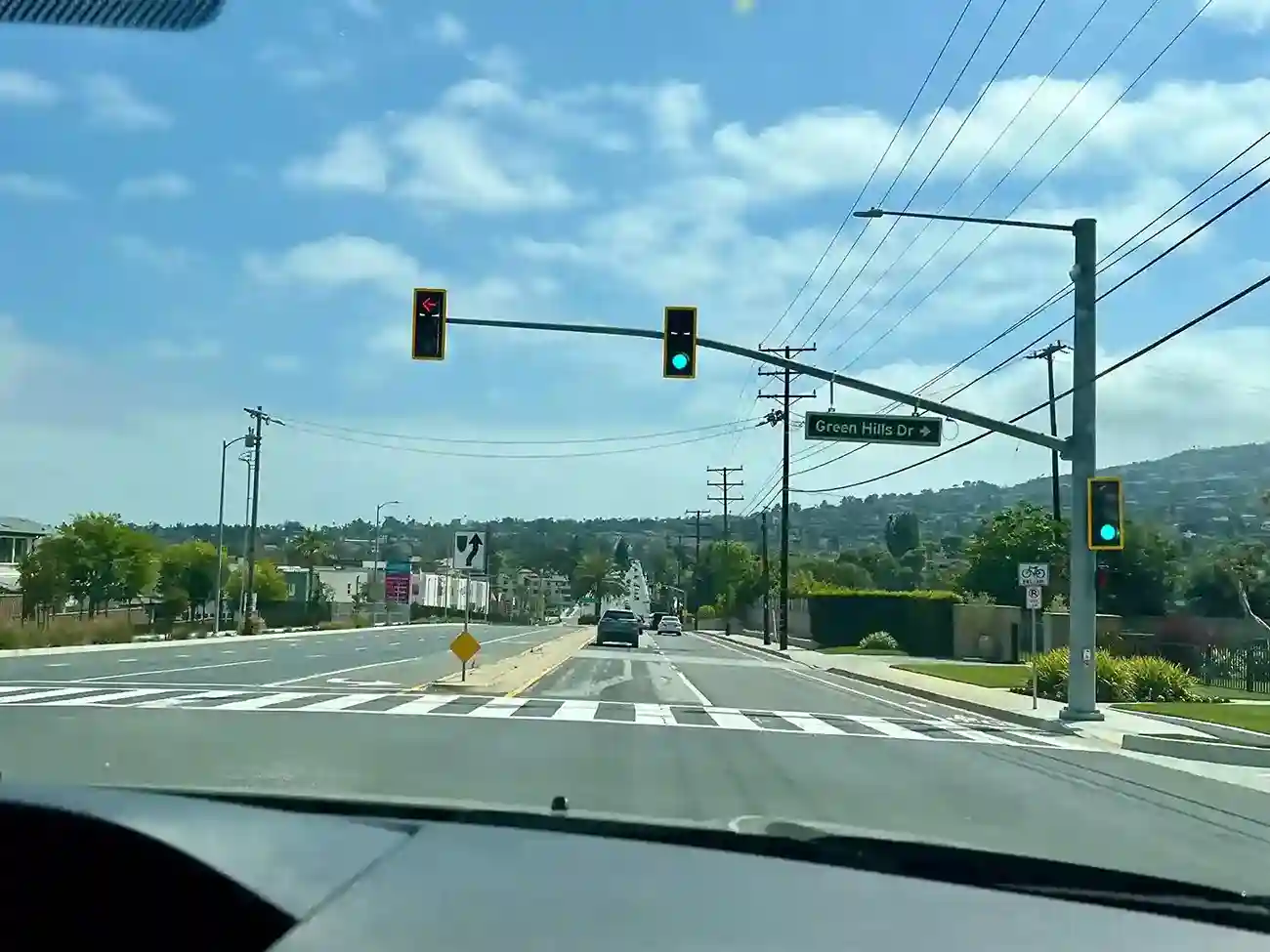
    We place bounding boxes around signal heads and label their state across day, night, glare, and rain. This image annotation data trains models to decide when to stop or proceed.

  • Street Name Board Annotation

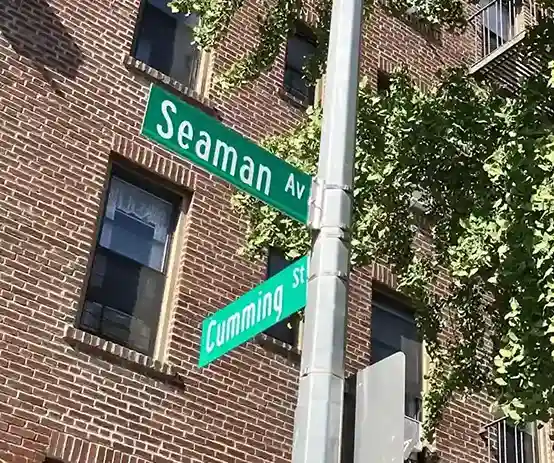
    Our bounding box annotation marks street name boards, with optional transcription of the visible text. These labels support navigation and mapping models that read road names in real time.

  • Lane / Spline Annotation

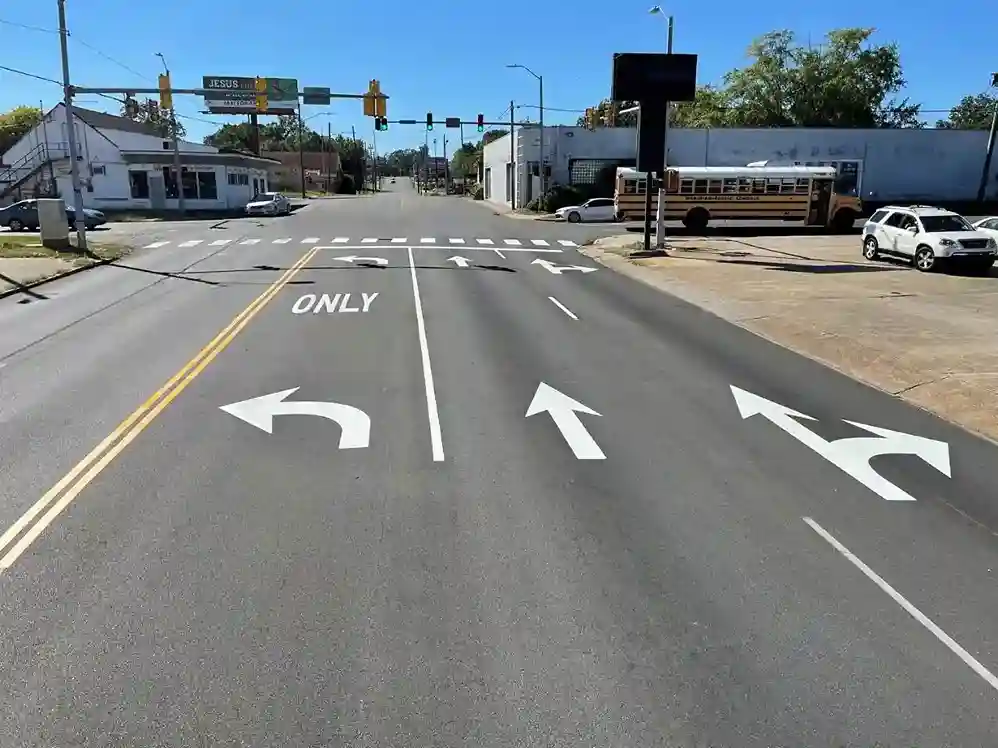
    We trace lane markings, road edges, and lane centers with polylines, including faded, curved, and merged lanes. These labels train lane-keeping and lane-change models.

  • Car Colour Annotation

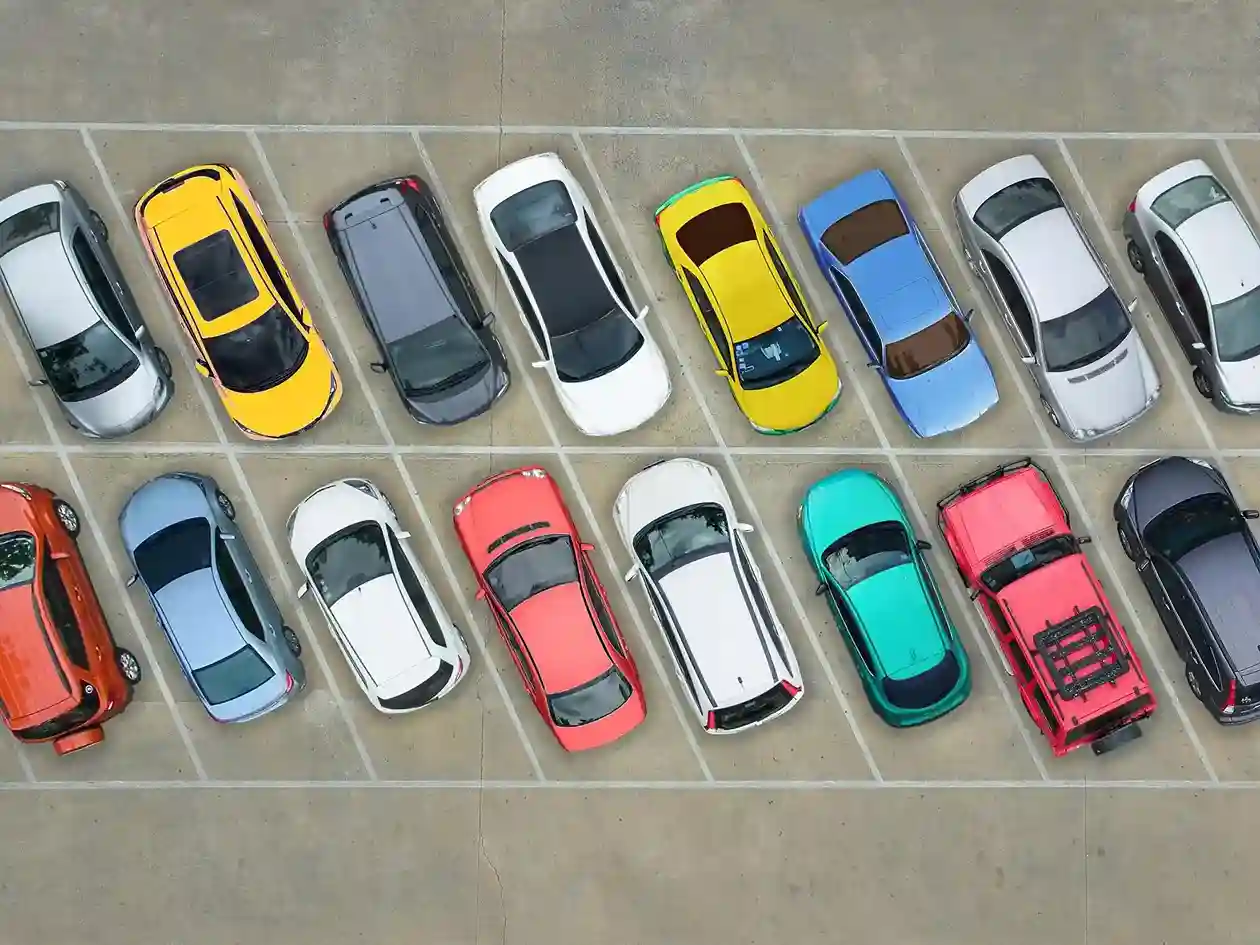
    Annotators assign each vehicle a colour from an agreed list, using lighting rules so labels stay consistent. This data annotation for AI supports vehicle search, attribute recognition, and traffic analytics.

  • Rider Attribute Annotation

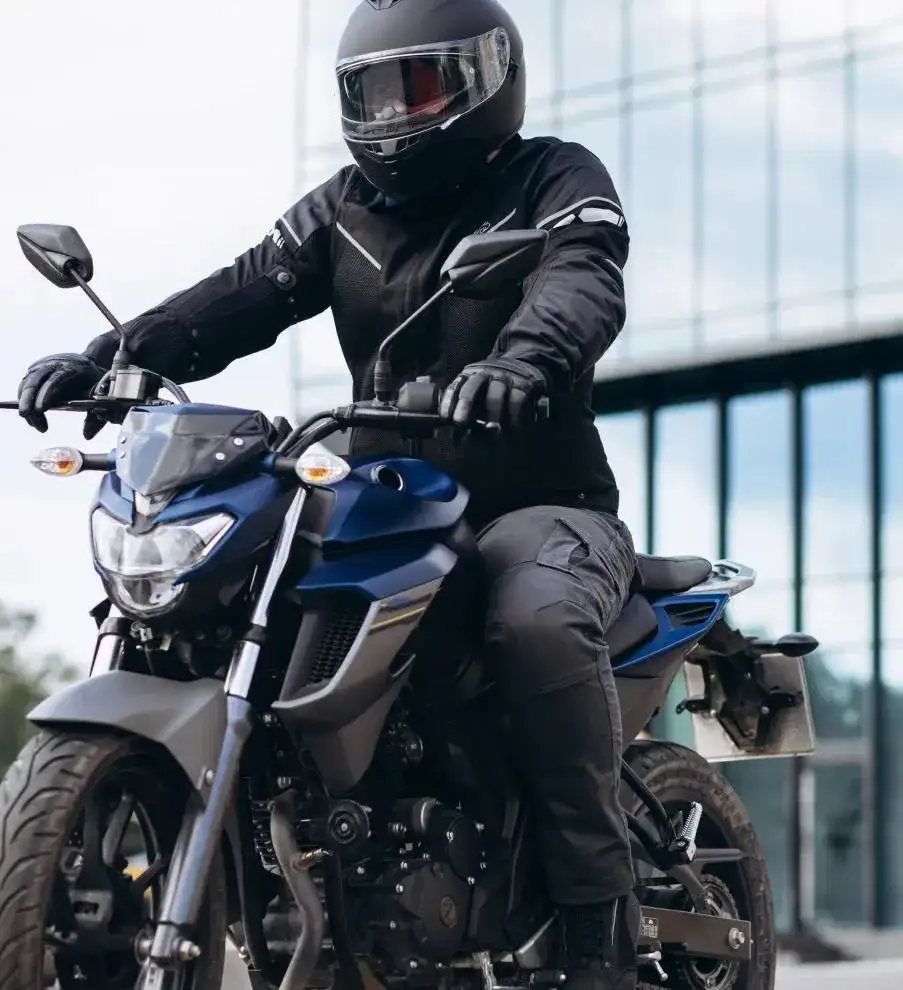
    We draw 2D bounding boxes around riders on motorcycles and scooters and tag attributes such as helmet use. These labels help models distinguish riders from vehicles in two-wheeler traffic.

  • Logo Tracking (Vehicle Brand Logo)

    We use 2D bounding box annotation to mark vehicle brand logos and label the brand, tracking each logo across video frames. This data supports vehicle make recognition and brand analytics.

  • Thermal Image Annotation

    Our AI annotation labels vehicles, people, and animals in infrared images, where objects appear as heat signatures. This supports detection in darkness, fog, and glare.

  • Car Parts Annotation (Interior and Exterior)

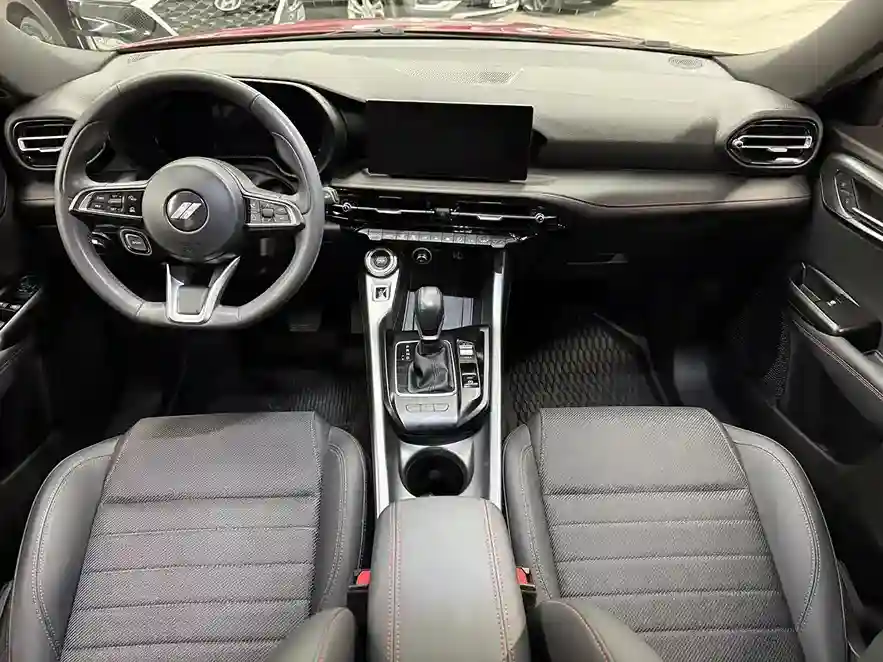
    We use polygons and segmentation to label exterior panels, lights, bumpers, wheels, and interior components, including internal parts inspection. These labels give inspection and repair models precise part boundaries.

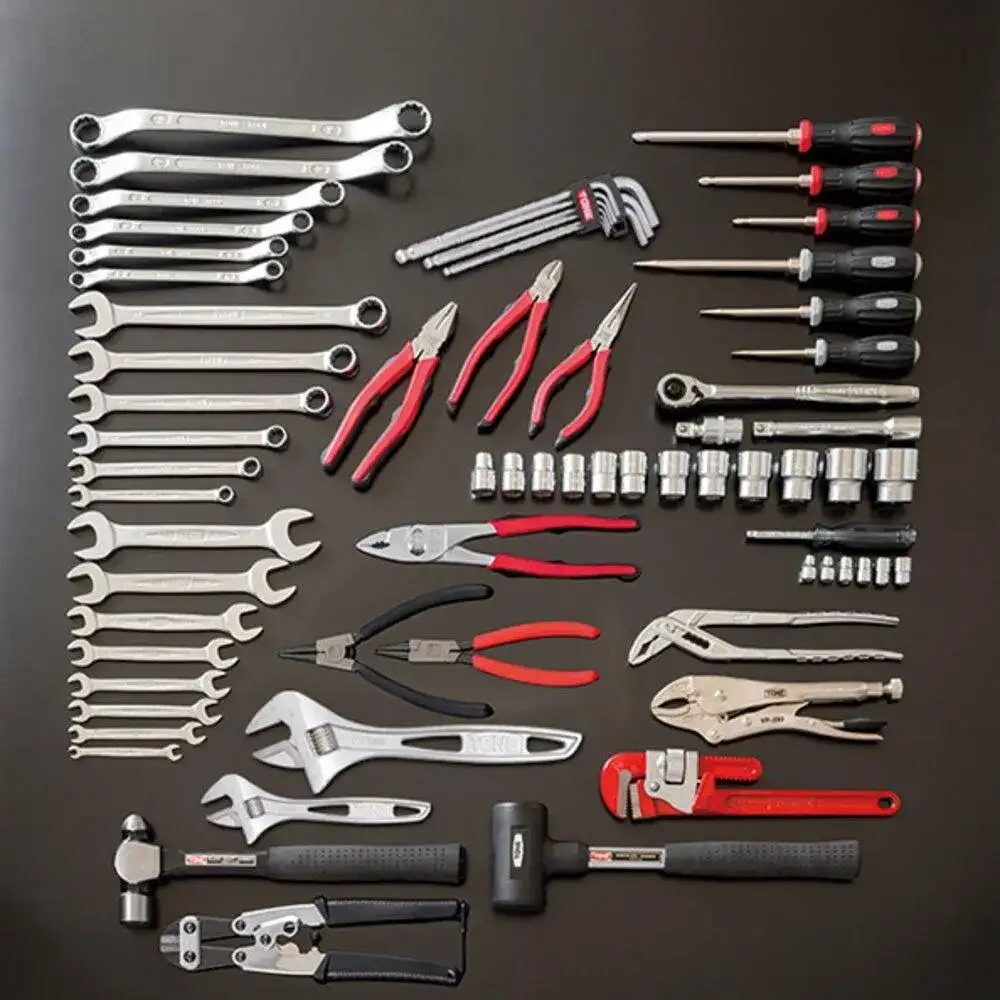
  • Individual Tool Recognition to Group-of-Tool Recognition

    We label individual tools and then groups of tools as they appear in workshop and industrial scenes. This object detection annotation helps models confirm that the right tool is present, in use, or missing.

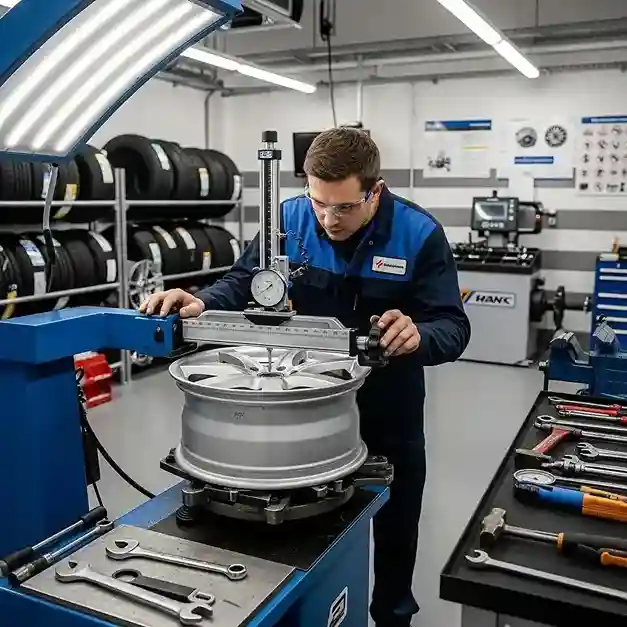
  • Alloy Wheels Annotation and Inspection

    Our image annotation services label wheels, rims, and surface conditions, marking scratches, scuffs, and damage. These labels help inspection models grade condition and identify wheel types.

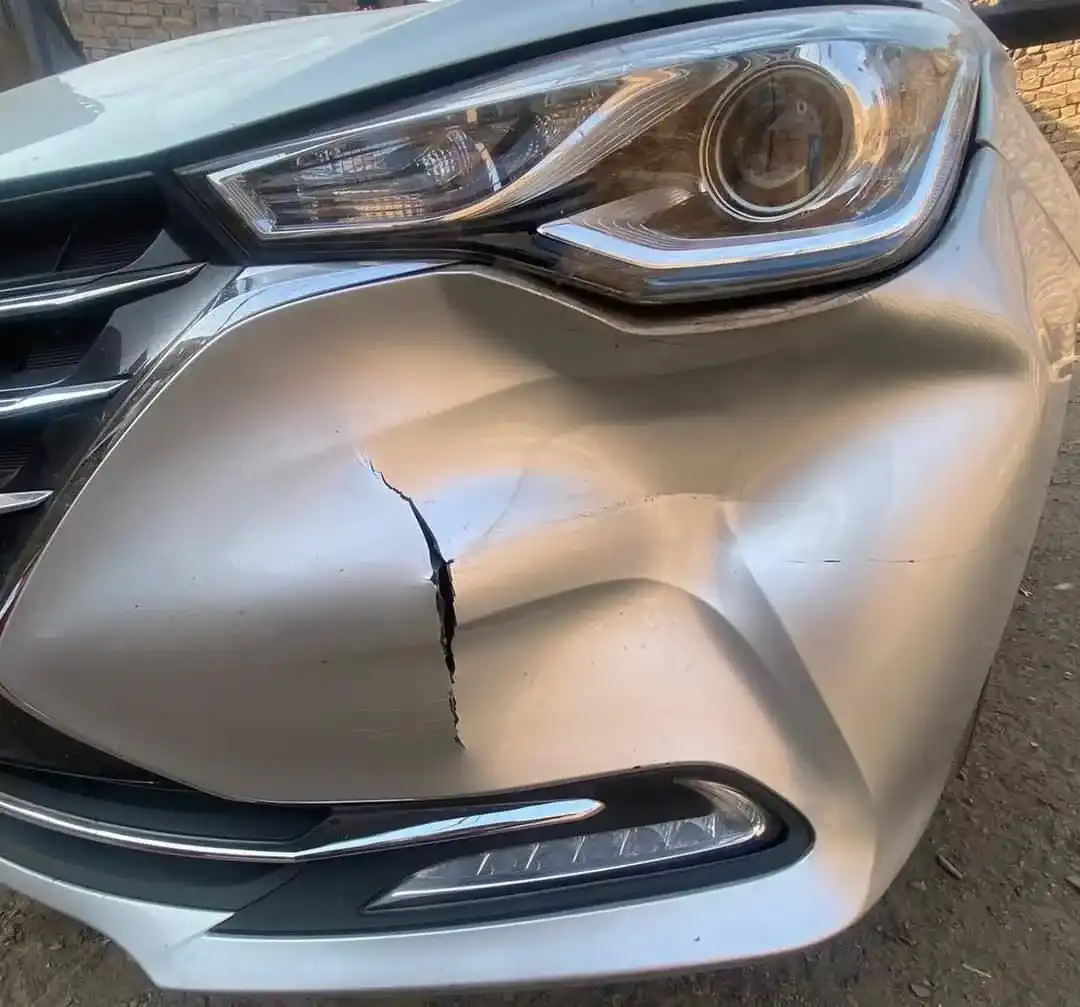
  • Car Damage Recognition

    We segment scratches, minor dents, and severe dents with polygons and label the affected part, with rules for missing and disjointed parts. This precisely annotated data trains models to assess damage from photographs.

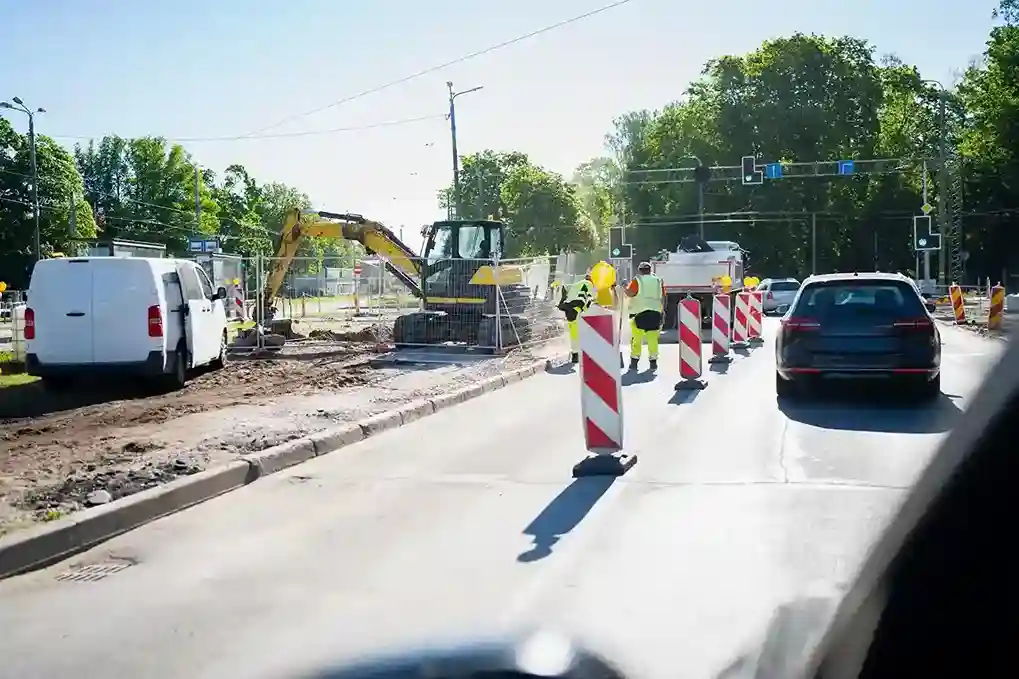
  • Road Event and Activity Detection

    Our video annotation services tag accidents, road closures, construction zones, traffic congestion, and pedestrian crossings, including in poor visibility. These labels train models to recognize and react to road events.

  • Traffic Violation Detection

    We annotate violations such as plate offences, missing seat belts, unsafe lane changes, speeding, rash driving, and faulty lights, following your definitions. This annotation for machine learning supports enforcement and monitoring systems.

  • Weather and Road Condition Tagging

    We tag rain, fog, snow, wet, snowy, and muddy roads, along with obstructions, windshield condition, and brightness. These labels help models adapt driving behaviour to changing conditions.

  • Driver Monitoring System (DMS) Labelling

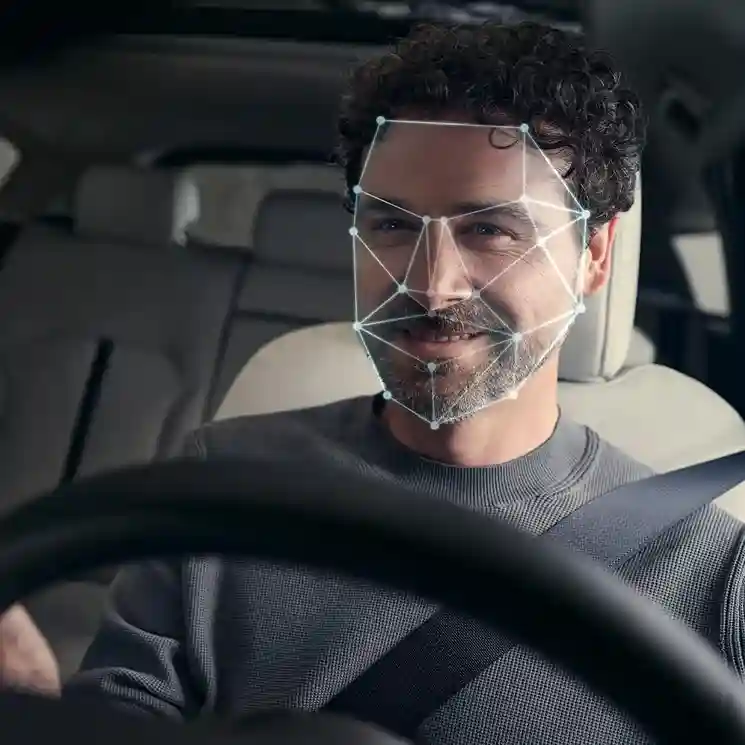
    We annotate in-cabin video for fatigue and distraction, including yawning, inattention, eating, and phone use, using bounding boxes and behaviour tags. These labels train DMS models to interpret driver behaviour reliably.

  • Event Extraction

    We extract and tag defined driving events, including highway lane changes, city signal events, and highway forward collision warning (FCW) events, from long recordings. These clips build scenario libraries for model validation and testing.

Our Toolkit

Data Annotation Capabilities

  • 3D Point Cloud Annotation & Segmentation
  • Semantic, Instance, and Panoptic Segmentation
  • 2D and 3D Bounding Boxes
  • Keypoint Annotation
  • Landmark Annotation
  • Polygon Annotation
  • Polyline Annotation
  • Image Classification & Tagging
  • Video Tracking & Tagging
  • Question and Answer
  • OCR
  • Image formatsJPEG, PNG, TIFF, BMP, EXR, RAW, GeoTIFF, JP2
  • Video formatsMP4, AVI, MOV, MKV
  • Point cloud / 3DPCD, PLY, LAS, LAZ
  • Medical formatsDICOM, NIfTI, EDF, BDF, WFDB
  • Geospatial / Remote sensingGeoTIFF, NITF, CEOS, SAFE, ENVI, NetCDF
  • Robotics / MiddlewareROS Bag, MCAP
  • Structured dataCSV, JSON, JSONL, XML, TXT, Parquet
  • Audio formatsWAV, FLAC, MP3, AAC
  • AutomotiveDBC, ASC, BLF, MDF
  • Scientific / BinaryHDF5, MAT, TDMS, BIN
  • SonarXTF, JSF, S7K
  • Motion CaptureC3D, BVH, FBX
  • MicroscopyCZI, NDPI, SVS
  • NavigationNMEA, GPX
  • Messaging / StreamingMQTT
  • NeuromorphicAEDAT
  • EEGSET

Need training data collected for your industry?

Explore our data collection services.

Explore Data Collection
Best Practices

Why Leading AI Teams Choose Qualitas Global.

  1. Speed and Accuracy

    Domain-trained expert annotators and daily throughput tracking against SLA targets.

  2. Trustworthy Output

    A rigorous multi-level quality assurance process that ensures a 97%+ quality benchmark, validated on every project.

  3. Rapid Scale-Up

    A risk-free 2-day pilot before full production, and team deployment within 24 business hours of sign-off. You see our work before you commit to volume.

  4. Customised Workflow

    Every engagement is tailored to your goals, with annotation guidelines, QA, and delivery cadence adapted to your project.

  5. Lower Total Cost

    Pay-per-verified-productive-hour billing. You are not paying for our learning curve or mistakes, our internal rework, or idle bench time.

  6. Data Security

    ISO/IEC 27001:2022, ISO 9001:2015, TISAX Level 3, HIPAA, and GDPR compliance. Biometric access, 24*7 CCTV monitoring, and policies and procedures that prohibit cameras and unauthorised storage devices on the floor.

SECURITY & COMPLIANCE

Certified to Handle Your
Most Sensitive Data

100% in-house delivery. No outsourcing, no work-from-home access to client data, no exceptions.

ISO/IEC 27001:2022
ISO/IEC 27001:2022
ISO 9001:2015
ISO 9001:2015
TISAX Level 3
TISAX Level 3
ISO/IEC 30107-1:2016
GDPR
GDPR
HIPAA
HIPAA
Got Questions?

FAQs

Still curious?Ask our team directly
  • Adas data annotation is the structured labeling of data so a machine-learning or analytics system can learn from examples or be evaluated against defined criteria. For adas & autonomous vehicles, the work begins with a written label taxonomy, clear inclusion and exclusion rules, and representative sample data. The exact scope depends on the model objective and the client's acceptance criteria.

  • Depending on the approved scope, adas & autonomous vehicles projects may involve road users, vehicles, lanes, traffic signs, road boundaries, driving events, in-cabin scenes, and temporal video sequences. The team should define each label, the unit being annotated, how to treat uncertain cases, and whether the task is frame-level, object-level, document-level, or text-level. These examples describe possible project requirements, not a guarantee that every modality or use case is currently offered.

  • Output formats and tooling should be confirmed during discovery rather than assumed from a general industry page. The project brief should specify the required schema, field names, class IDs, metadata, export structure, and any client platform access. Qualitas Global should confirm compatibility with the requested tools before the pilot begins; no specific format or third-party platform is promised here.

  • A quality plan should define the annotation guideline, reviewer responsibilities, sampling or review coverage, error categories, escalation rules, and acceptance criteria before production. Multi-level quality checks are a stated part of the intended service approach, but the exact workflow and quality SLA need internal confirmation. Disagreements should be documented, corrected, and reflected in updated guidance where the same issue could recur.

  • Data access, storage, transfer, retention, deletion, and physical work arrangements should be agreed before any sensitive files are shared. The project owner should confirm the applicable security controls and whether any certification or regulatory commitment applies to the specific engagement. Do not assume a particular ISO standard, HIPAA status, GDPR status, or other certification without current internal evidence.

  • Pricing should be scoped around the task definition, data complexity, annotation guideline, expected review effort, language or domain requirements, and the delivery arrangement. The stated commercial model is based on productive hours, with scope and acceptance criteria agreed in advance. A quote should clarify what counts as productive work, how rework is treated, and which activities are included, without relying on an unverified public price.

  • Yes, the recommended first step is to discuss a representative sample and agree on a pilot scope before committing a larger dataset. The pilot can test the label definitions, edge-case handling, reviewer workflow, output structure, and acceptance criteria. Start dates, sample size, turnaround, staffing, and scale-up capacity should be confirmed by the project team after reviewing the data and requirements.

  • Common challenges include Occlusion, low light, adverse weather, rare safety-critical events, object identity across frames, and ambiguous road boundaries. A clear guideline should show positive and negative examples, explain ambiguous cases, and define when annotators should escalate rather than guess. To get started, share the intended model or business use, data types, approximate volume, required outputs, security constraints, and a sample if permitted. Qualitas Global can then confirm fit and propose a pilot.

Model-generated labels still need human verification.

We audit, correct and validate auto-annotated aerial data against your guidelines before it reaches your training pipeline.

Get Your Sample Batch Validated
LET'S GET STARTED

Data, Collected &Annotated.Teams, Deployed.Ready When You Are.

Whether you need precisely annotated training data, real-world data collection, a dedicated in-house team, or other staffing solutions, Qualitas Global delivers all three under one roof. Backed by over a decade of experience, we back every engagement with a risk-free 2-day pilot before you commit.

Powering AI Innovation. Delivering Model-Ready Data. Enabling Global Business.