
Collect. Annotate. Validate. Build Better AI

Logistics, Warehouse and Port Data Annotation

Logistics models fail on cluttered scenes, damaged labels, and moving cargo. We annotate parcels, containers, documents, and warehouse video through a multi-stage QA process, so your model trains on labels it can trust.

  • 13+Years of annotation expertise
  • 20+Industries served
  • 97%+Quality benchmark
  • 24x7x365Secure operations
Introduction

Logistics, Warehouse & Port AI Data Services: Reliable Data Collection, Annotation & QA

The standard we hold
The accuracy of your labels is the accuracy of your AI model, and our process is built around that.
  1. 01The challenge

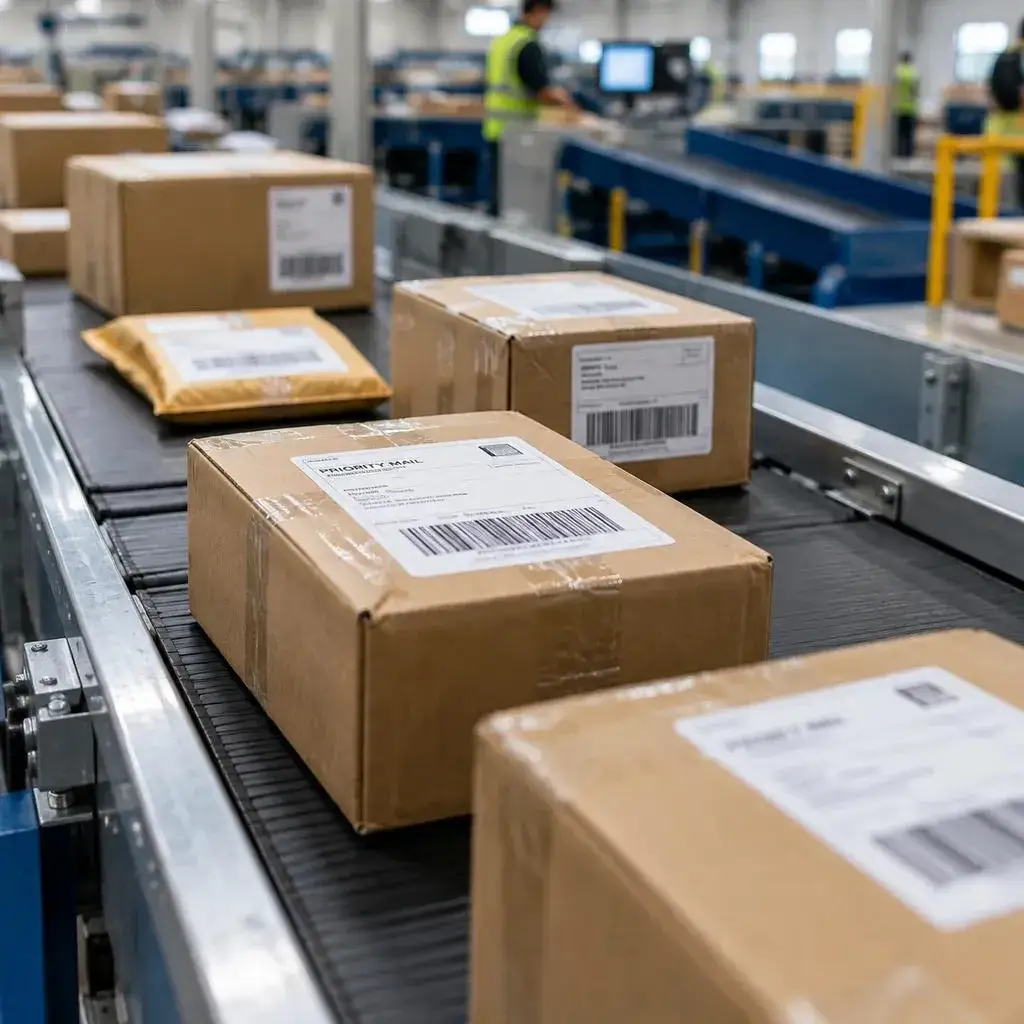
    Logistics scenes are crowded and fast. Parcels overlap on conveyors, container codes are dirty or partly hidden, and baggage varies in shape and size. Freight documents add handwriting, signatures, and many layouts. A label that is slightly off can break code recognition or tracking.

  2. 02The impact

    Those errors become misread containers, missed damage, and delivery checks that fail.

  3. 03Our approach

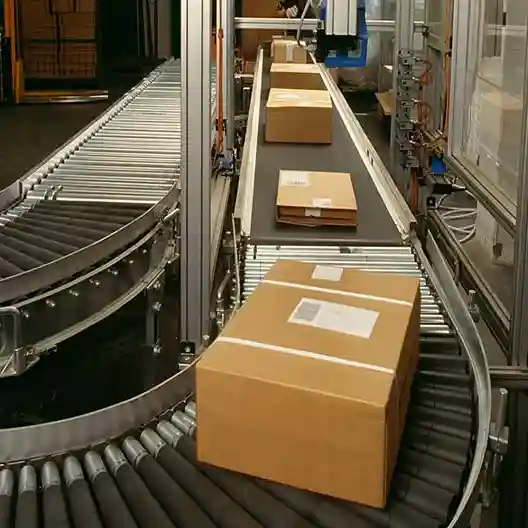
    We have annotated luggage and parcels on conveyor belts for airport, manufacturing, and e-commerce use. Annotators are trained on your class and label rules before production begins. Every batch passes internal and external quality checks.

Capabilities

Logistics Annotation Services

  • Warehouse Object Detection and Tracking

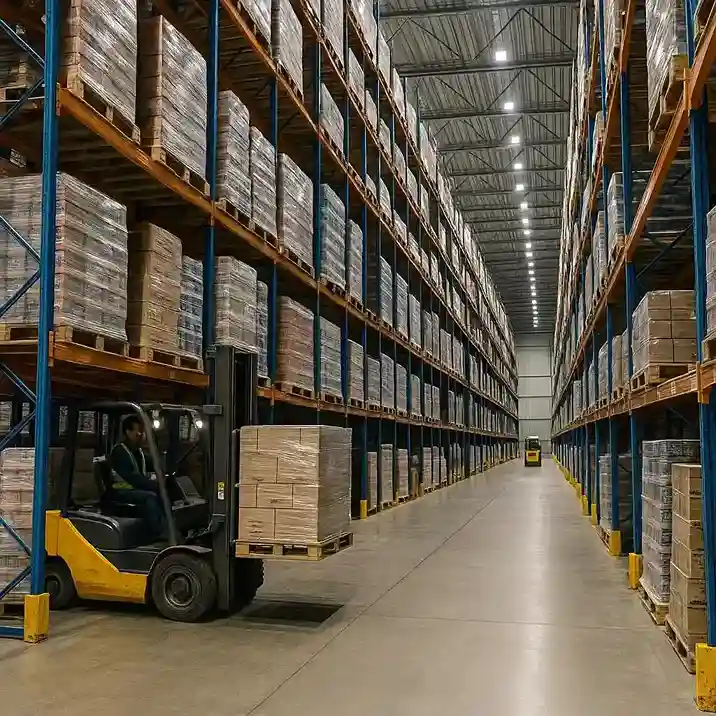
    Our object detection annotation and 2D bounding box annotation label pallets, forklifts, boxes, racks, and workers in warehouse images and video, then track each one across frames. This human-annotated data gives video analytics computer vision models a reliable view of goods and equipment moving through the facility.
  • Warehouse Safety, PPE and Collision Detection

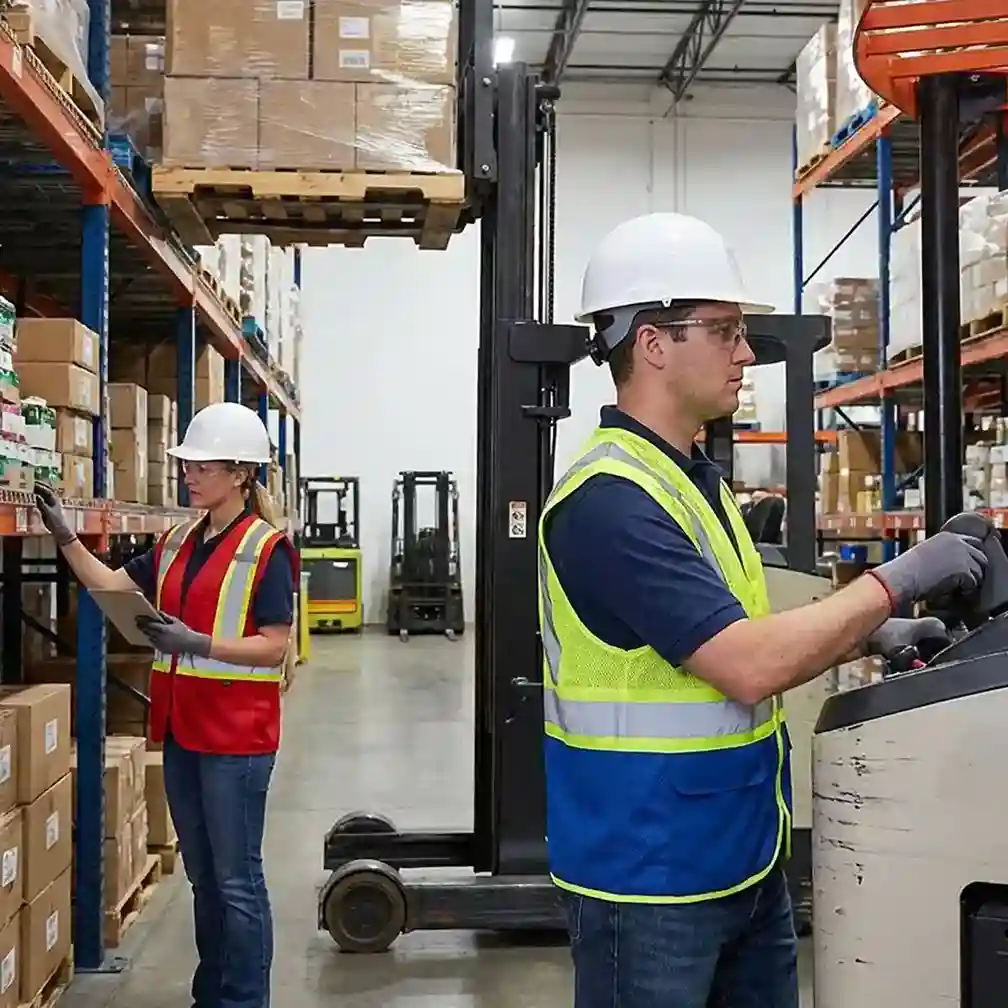
    Our video annotation services label helmets, vests, workers, forklifts, and near-miss events, and tag each person as compliant or non-compliant. This annotation for machine learning trains models to flag PPE breaches and collision risks before accidents happen.

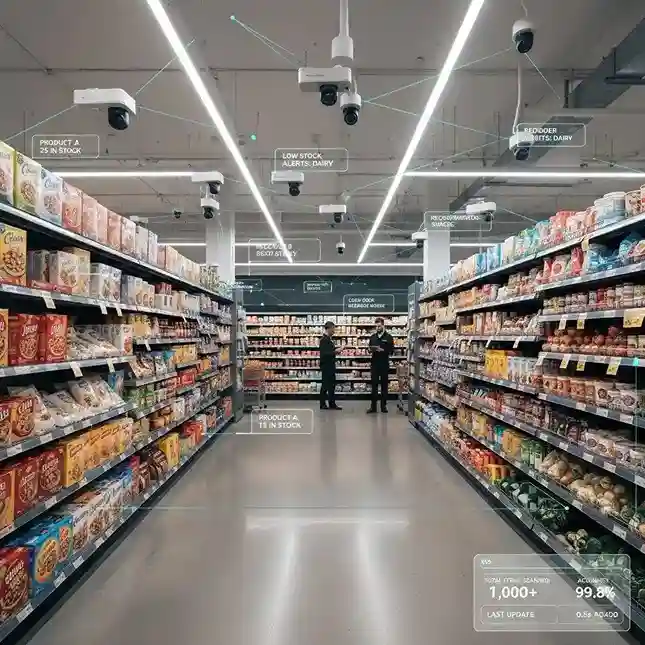
  • Inventory, Shelf and Stock Level Monitoring

    Bounding box annotation of products, pallets, and shelf positions lets models count stock and spot empty locations. Consistent image labeling and data labeling support accurate inventory monitoring across racks, aisles, and storage areas.

  • Driver Monitoring and Unsafe Behavior Detection

    We annotate in-cab video for phone use, fatigue, distraction, missing seat belts, and other unsafe behavior, using bounding boxes and key point annotation on the driver’s face and posture. These AI annotation labels train models that alert fleets to risk in real time.

  • Parcel, Package and Label Detection, Segmentation and Inspection

    Our image annotation services use bounding boxes and polygons to label parcels, packages, and shipping labels, and mark damaged or unreadable items. Semantic segmentation services give sorting and inspection models clean boundaries for object detection annotation.

  • Proof-of-Delivery Verification

    We annotate delivery photos by labeling doorsteps, parcels, house numbers, and surroundings, so models can match each image to the delivery address. This image annotation data supports automated proof-of-delivery checks and fewer disputed deliveries.

  • Port and Terminal Container Detection, Classification and Identification

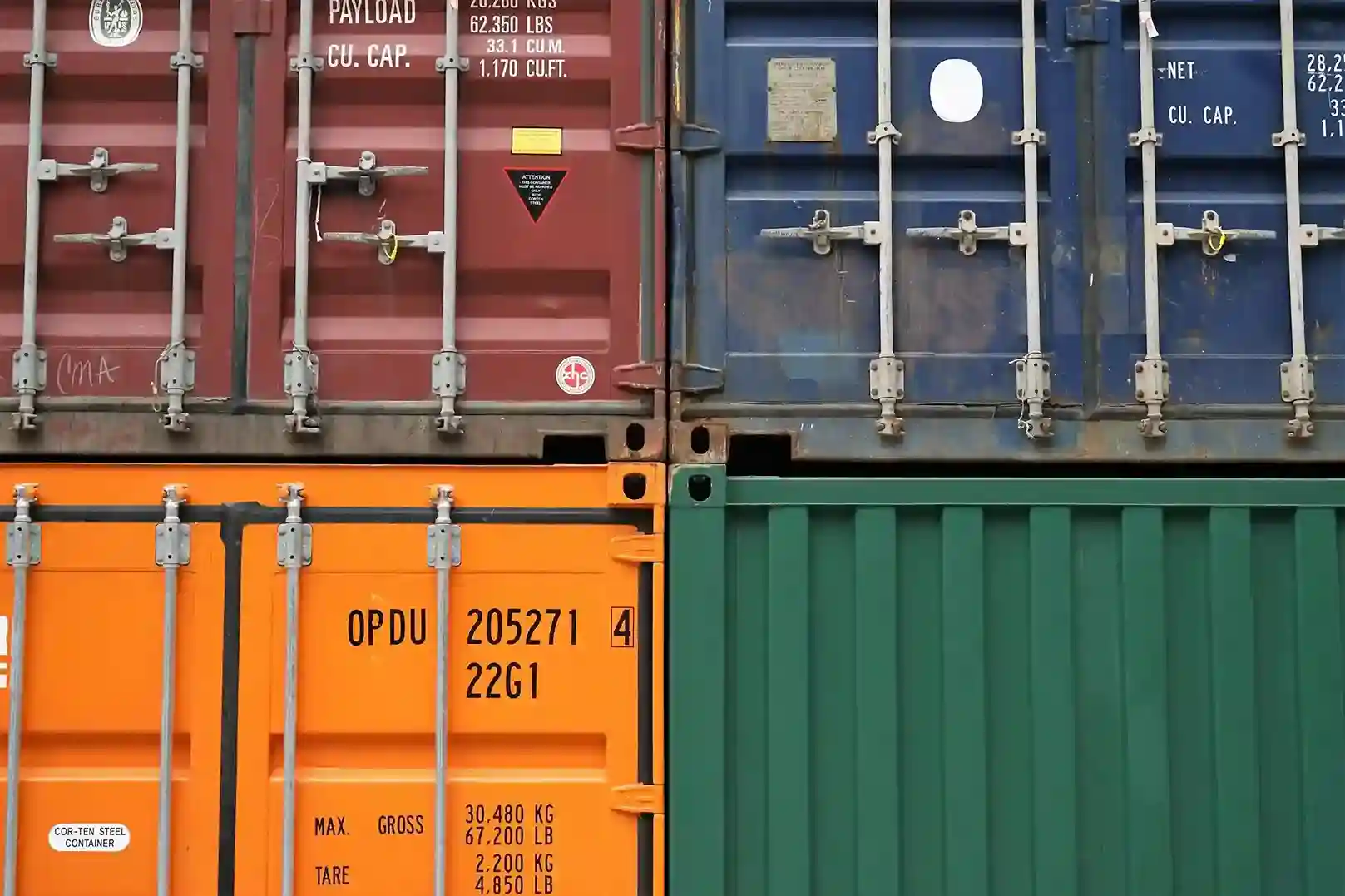
    We label containers in port and terminal imagery, marking container ID codes, length, subtype, and logos for detection and recognition models. Accurate object detection annotation and image annotation support gate, yard, and quay automation.

  • Port and Yard ANPR

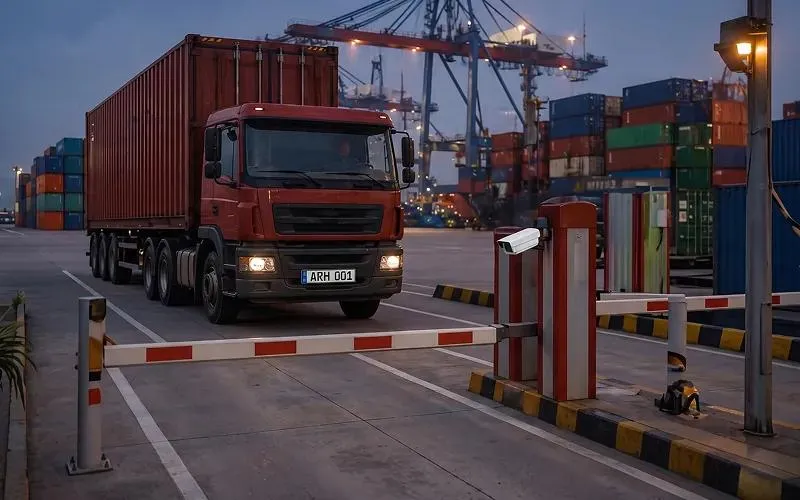
    We draw bounding boxes around license plates on trucks and vehicles entering ports and yards, with optional character transcription. This bounding box annotation trains ANPR models that log arrivals and manage terminal traffic.

  • Commercial Invoice, Packing List and Freight Document Annotation

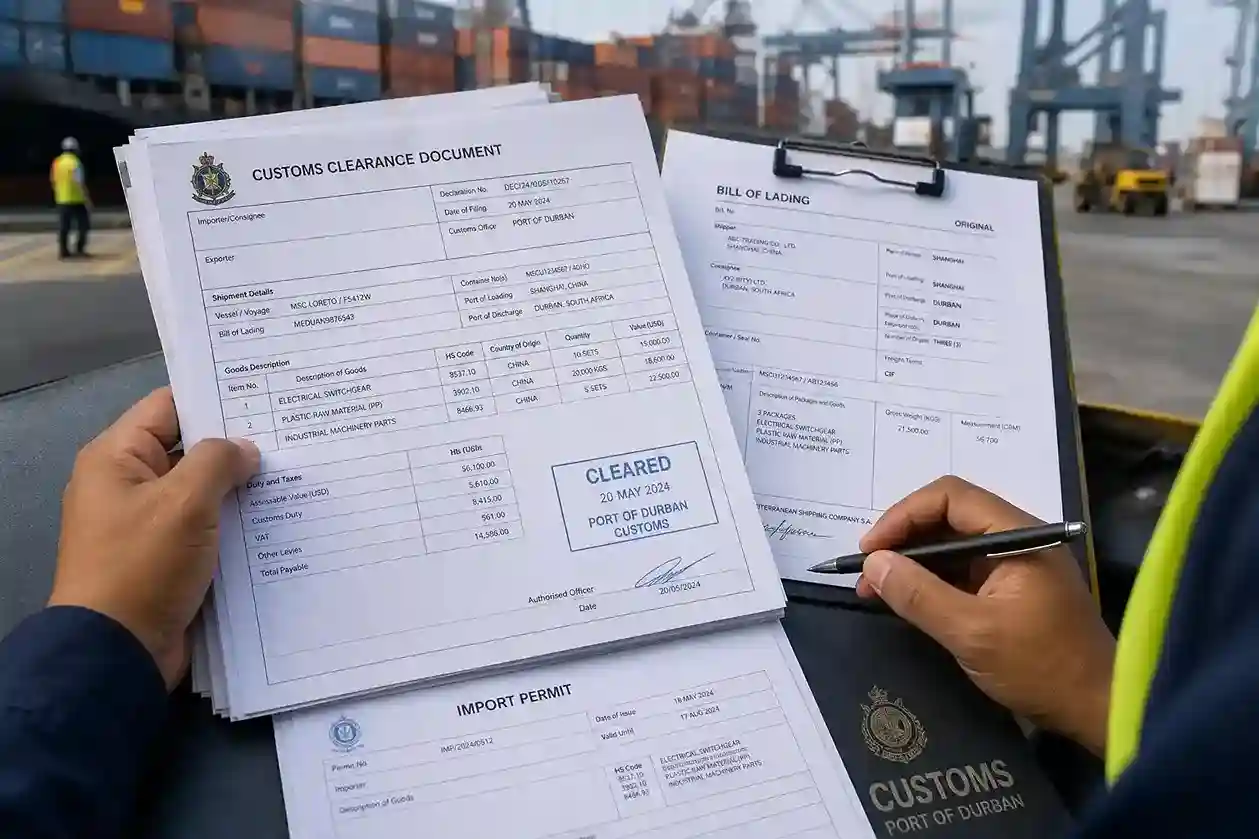
    Annotators label fields, tables, line items, dates, weights, and totals on invoices, packing lists, and freight documents, using OCR where documents are scanned. Our text annotation services and data annotation for AI train models to extract shipment data accurately.

  • Handwritten Note and Signature Detection

    We locate and label handwritten notes, signatures, and stamps on delivery slips and shipping forms, and transcribe the text where required. This text annotation and data labeling helps models read handwriting and confirm that documents are signed.

  • Conveyor Belt Tracking

    Our video annotation services label parcels and luggage with bounding boxes or polygons, then follow each item along the conveyor belt. This object tracking annotation supports automated sorting, counting, and detection of unwanted objects.

  • Airport Baggage Tracking

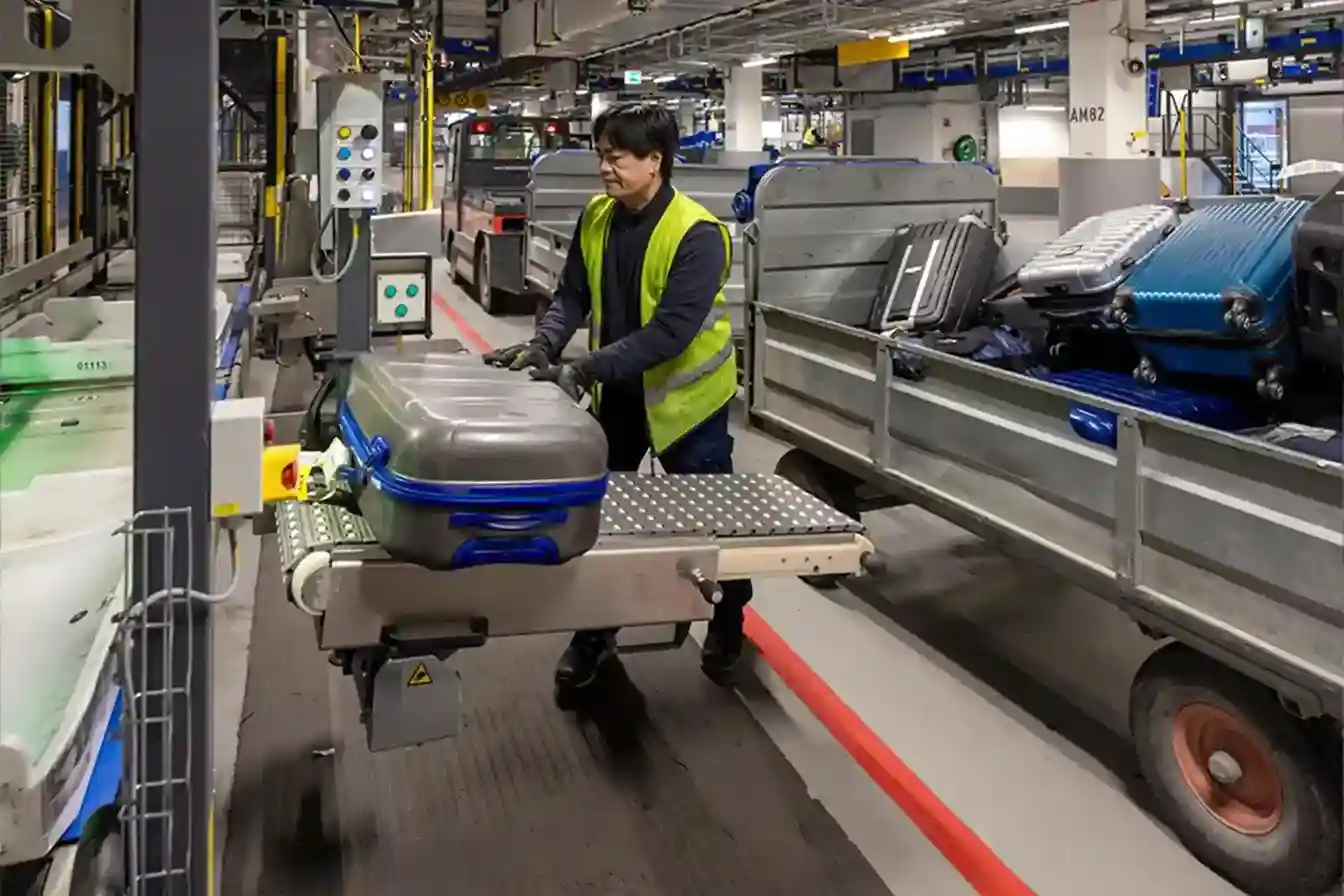
    We annotate bags using bounding boxes or segmentation masks, labeling parts such as handles and wheels where needed. These labels train machine learning models that track baggage through handling systems and flag items that need attention.

Our Toolkit

Data Annotation Capabilities

  • 3D Point Cloud Annotation & Segmentation
  • Semantic, Instance, and Panoptic Segmentation
  • 2D and 3D Bounding Boxes
  • Keypoint Annotation
  • Landmark Annotation
  • Polygon Annotation
  • Polyline Annotation
  • Image Classification & Tagging
  • Video Tracking & Tagging
  • Question and Answer
  • OCR
  • Image formatsJPEG, PNG, TIFF, BMP, EXR, RAW, GeoTIFF, JP2
  • Video formatsMP4, AVI, MOV, MKV
  • Point cloud / 3DPCD, PLY, LAS, LAZ
  • Medical formatsDICOM, NIfTI, EDF, BDF, WFDB
  • Geospatial / Remote sensingGeoTIFF, NITF, CEOS, SAFE, ENVI, NetCDF
  • Robotics / MiddlewareROS Bag, MCAP
  • Structured dataCSV, JSON, JSONL, XML, TXT, Parquet
  • Audio formatsWAV, FLAC, MP3, AAC
  • AutomotiveDBC, ASC, BLF, MDF
  • Scientific / BinaryHDF5, MAT, TDMS, BIN
  • SonarXTF, JSF, S7K
  • Motion CaptureC3D, BVH, FBX
  • MicroscopyCZI, NDPI, SVS
  • NavigationNMEA, GPX
  • Messaging / StreamingMQTT
  • NeuromorphicAEDAT
  • EEGSET

Need training data collected for your industry?

Explore our data collection services.

Explore Data Collection
Best Practices

Why Leading AI Teams Choose Qualitas Global.

  1. Speed and Accuracy

    Domain-trained expert annotators and daily throughput tracking against SLA targets.

  2. Trustworthy Output

    A rigorous multi-level quality assurance process that ensures a 97%+ quality benchmark, validated on every project.

  3. Rapid Scale-Up

    A risk-free 2-day pilot before full production, and team deployment within 24 business hours of sign-off. You see our work before you commit to volume.

  4. Customised Workflow

    Every engagement is tailored to your goals, with annotation guidelines, QA, and delivery cadence adapted to your project.

  5. Lower Total Cost

    Pay-per-verified-productive-hour billing. You are not paying for our learning curve or mistakes, our internal rework, or idle bench time.

  6. Data Security

    ISO/IEC 27001:2022, ISO 9001:2015, TISAX Level 3, HIPAA, and GDPR compliance. Biometric access, 24*7 CCTV monitoring, and policies and procedures that prohibit cameras and unauthorised storage devices on the floor.

SECURITY & COMPLIANCE

Certified to Handle Your
Most Sensitive Data

100% in-house delivery. No outsourcing, no work-from-home access to client data, no exceptions.

ISO/IEC 27001:2022
ISO/IEC 27001:2022
ISO 9001:2015
ISO 9001:2015
TISAX Level 3
TISAX Level 3
ISO/IEC 30107-1:2016
GDPR
GDPR
HIPAA
HIPAA
Got Questions?

FAQs

Still curious?Ask our team directly
  • Logistics data annotation is the structured labeling of data so a machine-learning or analytics system can learn from examples or be evaluated against defined criteria. For logistics, the work begins with a written label taxonomy, clear inclusion and exclusion rules, and representative sample data. The exact scope depends on the model objective and the client's acceptance criteria.

  • Depending on the approved scope, logistics projects may involve warehouse and parcel imagery, package labels, vehicle scenes, route-related text, inventory categories, and workflow events when defined. The team should define each label, the unit being annotated, how to treat uncertain cases, and whether the task is frame-level, object-level, document-level, or text-level. These examples describe possible project requirements, not a guarantee that every modality or use case is currently offered.

  • Output formats and tooling should be confirmed during discovery rather than assumed from a general industry page. The project brief should specify the required schema, field names, class IDs, metadata, export structure, and any client platform access. Qualitas Global should confirm compatibility with the requested tools before the pilot begins; no specific format or third-party platform is promised here.

  • A quality plan should define the annotation guideline, reviewer responsibilities, sampling or review coverage, error categories, escalation rules, and acceptance criteria before production. Multi-level quality checks are a stated part of the intended service approach, but the exact workflow and quality SLA need internal confirmation. Disagreements should be documented, corrected, and reflected in updated guidance where the same issue could recur.

  • Data access, storage, transfer, retention, deletion, and physical work arrangements should be agreed before any sensitive files are shared. The project owner should confirm the applicable security controls and whether any certification or regulatory commitment applies to the specific engagement. Do not assume a particular ISO standard, HIPAA status, GDPR status, or other certification without current internal evidence.

  • Pricing should be scoped around the task definition, data complexity, annotation guideline, expected review effort, language or domain requirements, and the delivery arrangement. The stated commercial model is based on productive hours, with scope and acceptance criteria agreed in advance. A quote should clarify what counts as productive work, how rework is treated, and which activities are included, without relying on an unverified public price.

  • Yes, the recommended first step is to discuss a representative sample and agree on a pilot scope before committing a larger dataset. The pilot can test the label definitions, edge-case handling, reviewer workflow, output structure, and acceptance criteria. Start dates, sample size, turnaround, staffing, and scale-up capacity should be confirmed by the project team after reviewing the data and requirements.

  • Common challenges include Barcode or label visibility, package overlap, varied packaging, moving equipment, and maintaining consistent object or event labels across cameras. A clear guideline should show positive and negative examples, explain ambiguous cases, and define when annotators should escalate rather than guess. To get started, share the intended model or business use, data types, approximate volume, required outputs, security constraints, and a sample if permitted. Qualitas Global can then confirm fit and propose a pilot.

Model-generated labels still need human verification.

We audit, correct and validate auto-annotated aerial data against your guidelines before it reaches your training pipeline.

Get Your Sample Batch Validated
LET'S GET STARTED

Data, Collected &Annotated.Teams, Deployed.Ready When You Are.

Whether you need precisely annotated training data, real-world data collection, a dedicated in-house team, or other staffing solutions, Qualitas Global delivers all three under one roof. Backed by over a decade of experience, we back every engagement with a risk-free 2-day pilot before you commit.

Powering AI Innovation. Delivering Model-Ready Data. Enabling Global Business.